Easement Land Clearing in Salt Lake City, UT
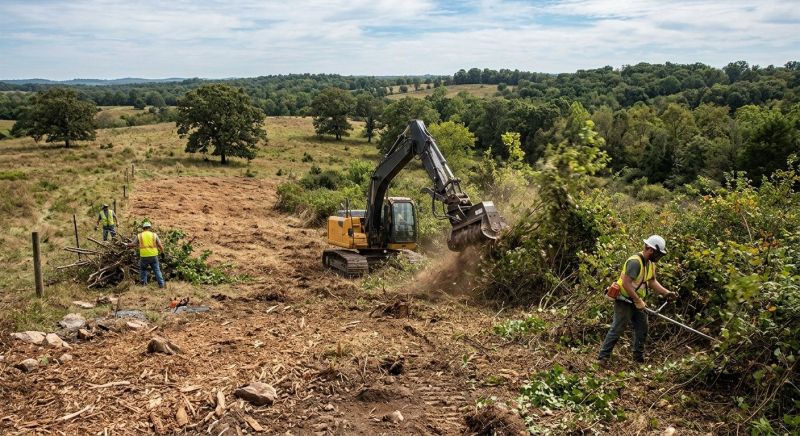
Easement land clearing services involve removing trees, brush, and other vegetation from designated areas on a property to create clear, accessible pathways or rights-of-way. These projects are often requested for purposes such as installing utility lines, access roads, fencing, or drainage systems. Property owners typically want to understand the scope of clearing needed, the impact on their land, and any regulations or permits required before beginning the work.
Before requesting easement land clearing, property owners should consider the size and location of the area to be cleared, as well as any existing structures or natural features that may influence the project. It’s also important to clarify the desired outcome, whether it’s simply removing obstructive vegetation or preparing the land for future development. Understanding these details can help ensure the clearing process aligns with the property’s needs and complies with local guidelines.
Many property owners in Salt Lake City, UT look into Easement Land Clearing for repairs, replacements, upgrades, and appearance-related improvements.
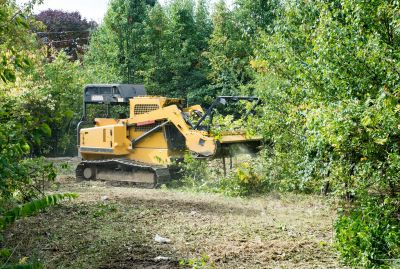
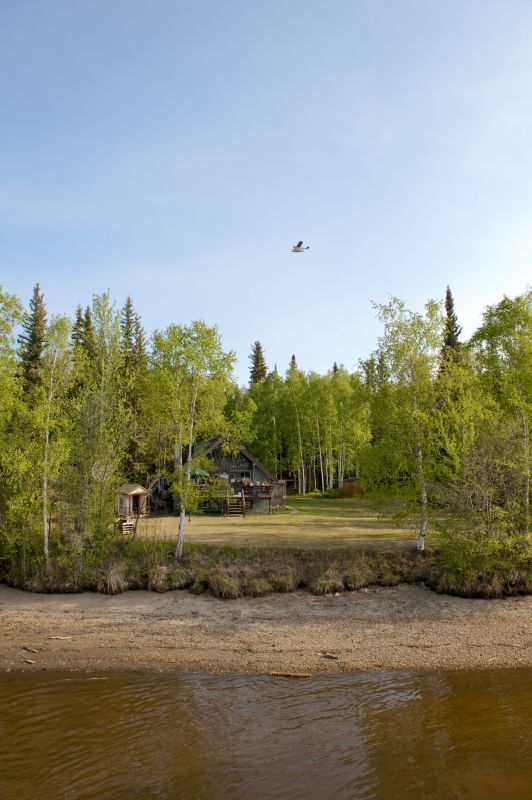
Property Boundary Access
Easement land clearing creates clear pathways for property access and utility installation.
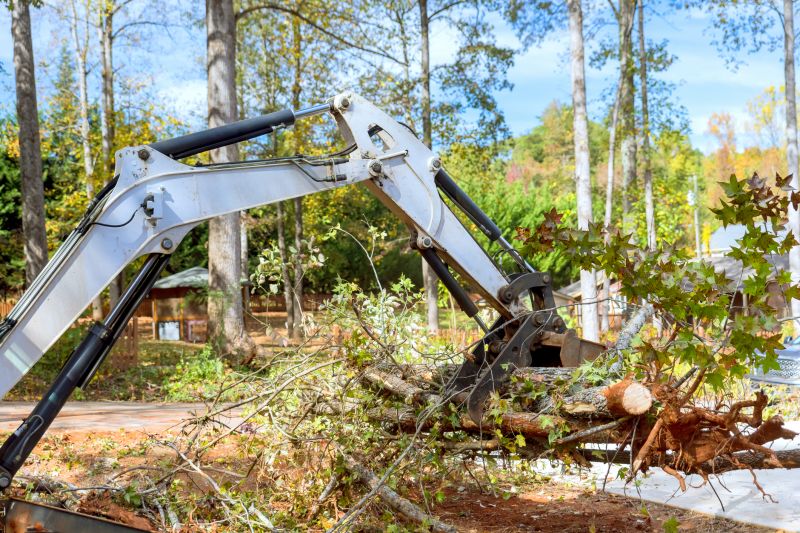
Preparation For Development
Clearing easements ensures land is ready for construction, fencing, or landscaping projects.
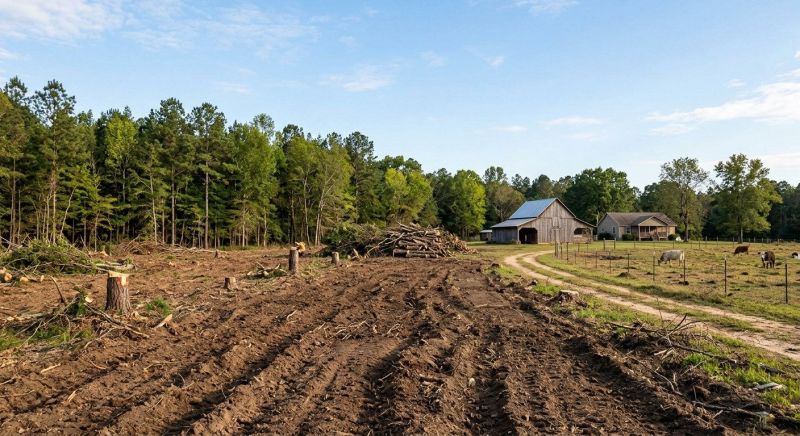
Maintaining Clear Pathways
Regular easement clearing helps prevent overgrowth that can obstruct driveways and utility lines in salt lake city, ut.
Easement Land Clearing in Salt Lake City, UT
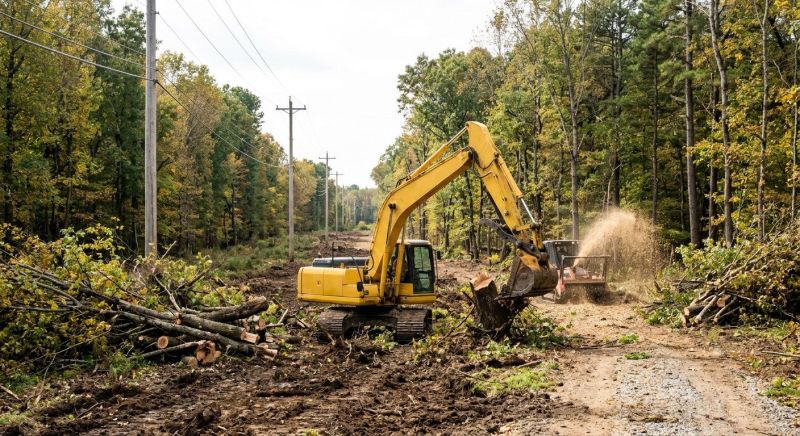
Easement land clearing services involve removing trees, brush, and other vegetation from designated areas on a property to create clear, accessible pathways or rights-of-way. These projects are often requested for purposes such as installing utility lines, access roads, fencing, or drainage systems. Property owners typically want to understand the scope of clearing needed, the impact on their land, and any regulations or permits required before beginning the work.
Before requesting easement land clearing, property owners should consider the size and location of the area to be cleared, as well as any existing structures or natural features that may influence the project. It’s also important to clarify the desired outcome, whether it’s simply removing obstructive vegetation or preparing the land for future development. Understanding these details can help ensure the clearing process aligns with the property’s needs and complies with local guidelines.
Many property owners in Salt Lake City, UT look into Easement Land Clearing for repairs, replacements, upgrades, and appearance-related improvements.
Common Easement Land Clearing Jobs
Easement Land Clearing - clearing overgrown areas to ensure access and compliance.
Utility Easement Clearing - removing obstructions to maintain utility access points.
Drainage Easement Clearing - improving water flow by removing debris and excess vegetation.
Property Line Easement Clearing - defining boundaries and preventing encroachment issues.
Roadside Easement Clearing - maintaining clear pathways along roads and rights-of-way.
Stormwater Easement Clearing - ensuring open channels for effective water management.
Easement Land Clearing Questions
What is easement land clearing? Easement land clearing involves removing trees, brush, and debris within designated rights of way to ensure access and utility maintenance.
Why might property owners need easement land clearing? Clearing is often necessary to maintain access, prevent obstructions, and support infrastructure like power lines or pipelines.
What types of projects require easement land clearing? Projects include utility line access, road maintenance, drainage improvements, and pipeline installations.
What should property owners consider before clearing an easement? It's important to understand easement boundaries and restrictions to avoid impacting utility or property rights.
Request Easement Land Clearing in Salt Lake City, UT
Use the quote form on this page to share the basics of your project and request more information for the type of work you need.